
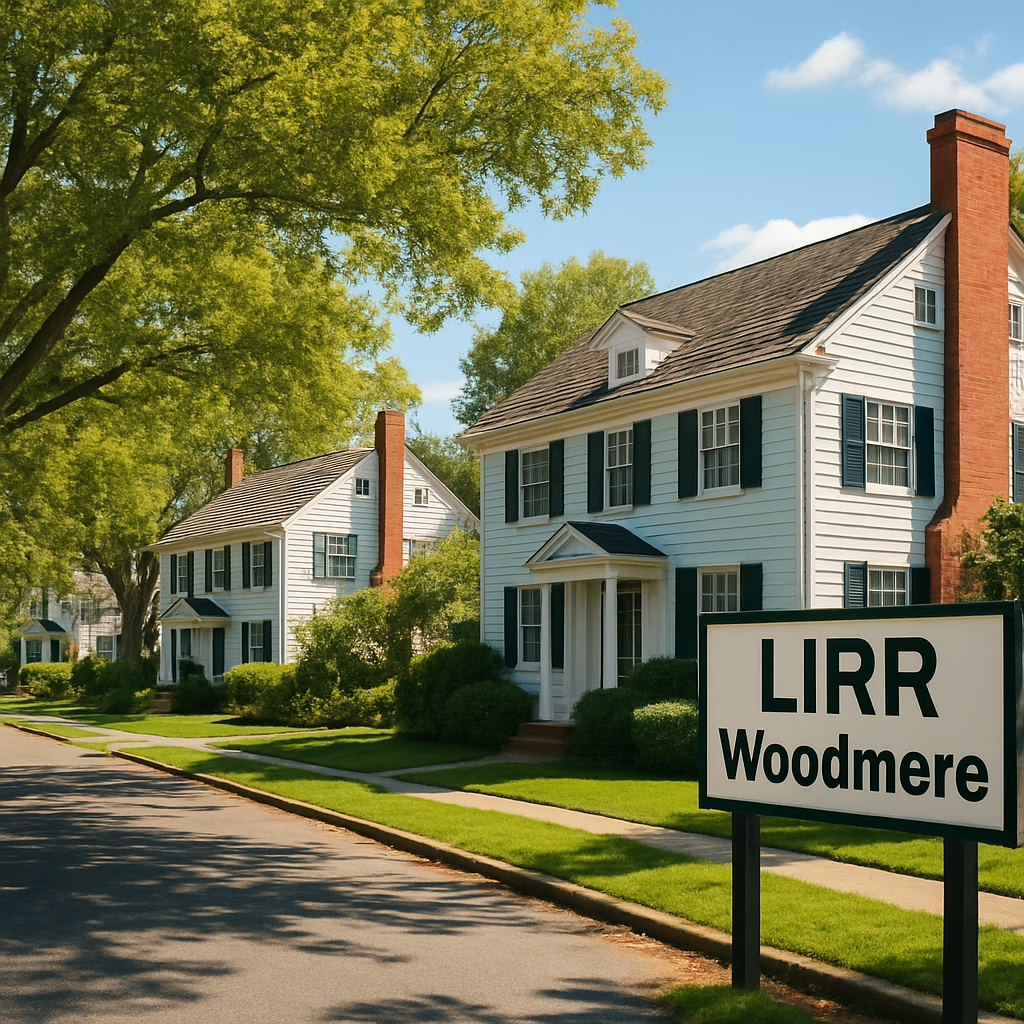

Picture this: you’re scrolling through listings, coffee in hand, and a photo of a sun‑lit backyard in Woodmere catches your eye.
Does that little spark feel like a whisper of home, or just another market buzz?
The truth is, Woodmere isn’t just a dot on Long Island; it’s a community where tree‑lined streets meet easy commutes, and where the homes for sale often blend classic charm with modern upgrades.
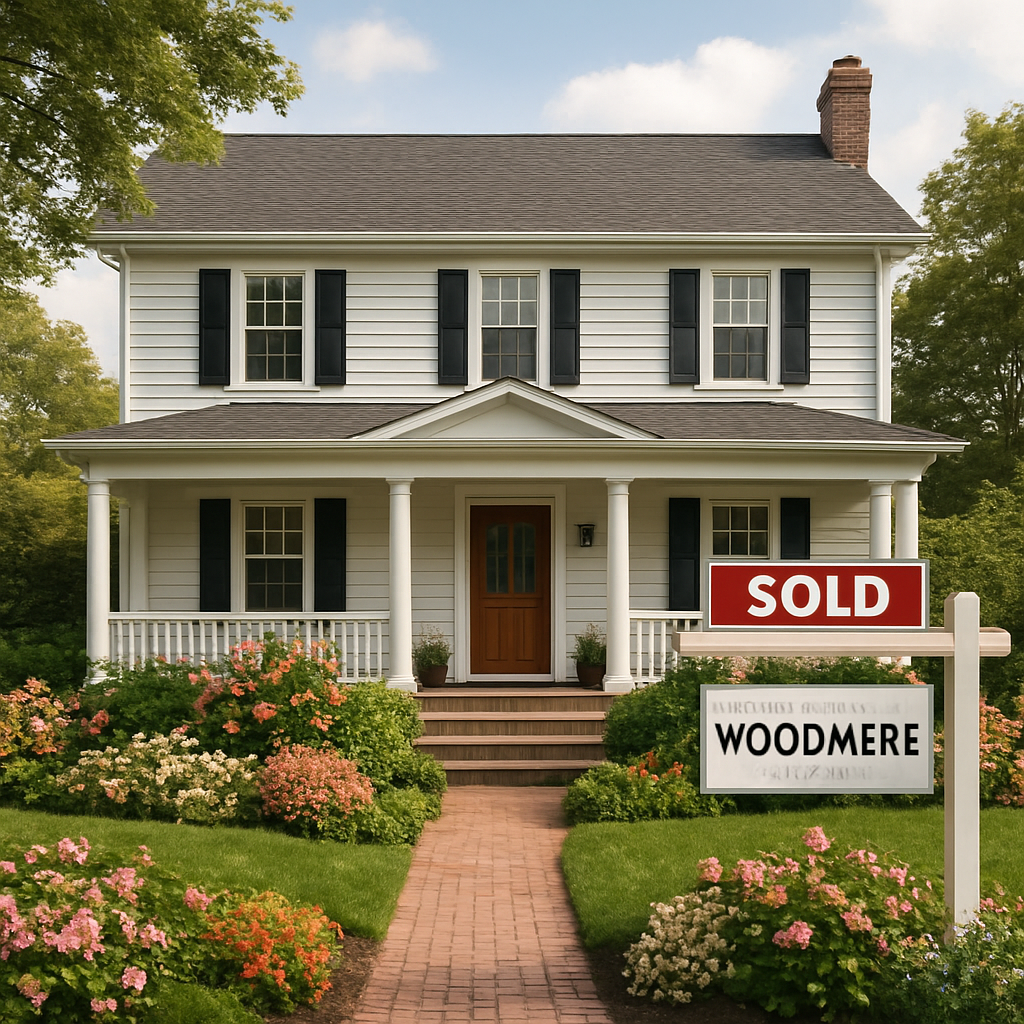
Maybe you’ve heard neighbors talk about the quiet cul‑de‑sacs, or you’ve seen a “sold” sign pop up on 50 Woodmere Blvd and wondered what that price really means.
I get it—navigating a market that feels both familiar and fresh can feel like trying to read a map without a compass.
That’s why, in the next few minutes, we’ll walk through what makes Woodmere ny homes for sale stand out, from price ranges that surprise to neighborhood perks that make everyday life feel a bit richer.
Think about the moment you step onto a porch, hear the kids laughing down the block, and realize this could be your new routine.
We’ll peek at the types of properties you’ll encounter—cozy colonials, sleek townhomes, and even waterfront gems that let you breathe in the Atlantic breeze.
Along the way, I’ll share a few practical tips, like how to gauge a home’s true value and what red‑flags to watch for during a showing.
And don’t worry—no jargon, just the kind of straight‑talk you’d expect from a neighbor who’s helped families find their spot in Woodmere for years.
Ready to see why so many buyers are falling in love with these homes? Let’s dive in and explore the real reasons Woodmere ny homes for sale could be exactly what you’ve been searching for.
Grab a notebook, picture your ideal lifestyle, and let’s start matching those dreams with the perfect Woodmere address.
Woodmere NY homes for sale blend Long Island charm with upgrades, offering everything from cozy colonials to waterfront townhomes at price points many buyers appreciate.
We’ll guide you through neighborhood perks, value‑checking tips, and red‑flags to watch, so you can confidently match your dream lifestyle with the perfect Woodmere address.
Understanding Woodmere Neighborhood & Market Trends
When you start scrolling through woodmere ny homes for sale, the first thing that hits you is the price tag—and it can feel like a punch to the gut or a spark of excitement, depending on your budget.
Last month the median sale price in Woodmere hovered around $1.3 million, a jump of almost 60% from a year ago. That surge tells us the market is humming, but it also means you’ll need a clear strategy to stay in the game according to the latest Redfin data. Homes are spending just 57 days on the market on average, down from 82 days, so the window to act is getting tighter.
What’s driving the price lift?
Think about the combo of tree‑lined streets, quick LIRR access, and top‑rated schools. Families love the sense of community, and commuters love the roughly 50‑minute ride into Manhattan. Those “soft” factors translate into hard numbers when buyers compete for limited inventory.
And it’s not just the single‑family colonials—townhomes and waterfront condos are pulling their weight too. A waterfront property can add a few hundred thousand dollars to the price, which pushes the overall median upward.
School quality as a market catalyst
Woodmere’s public schools consistently rank among the best in the region. If you’re curious, the district even streams virtual open‑house videos of Franklin Early Childhood Center, Hewlett Elementary, and Woodmere Middle School, so you can get a feel for the classrooms before you move directly from the school district site. Good schools act like a magnet, pulling families in and keeping demand steady.
So, what does that mean for your home search? It means you’ll likely see multiple offers on a well‑kept property, especially if it’s within a top‑rated school zone. Being ready with pre‑approval and a solid offer letter can make the difference between “sold” and “still on the market.”
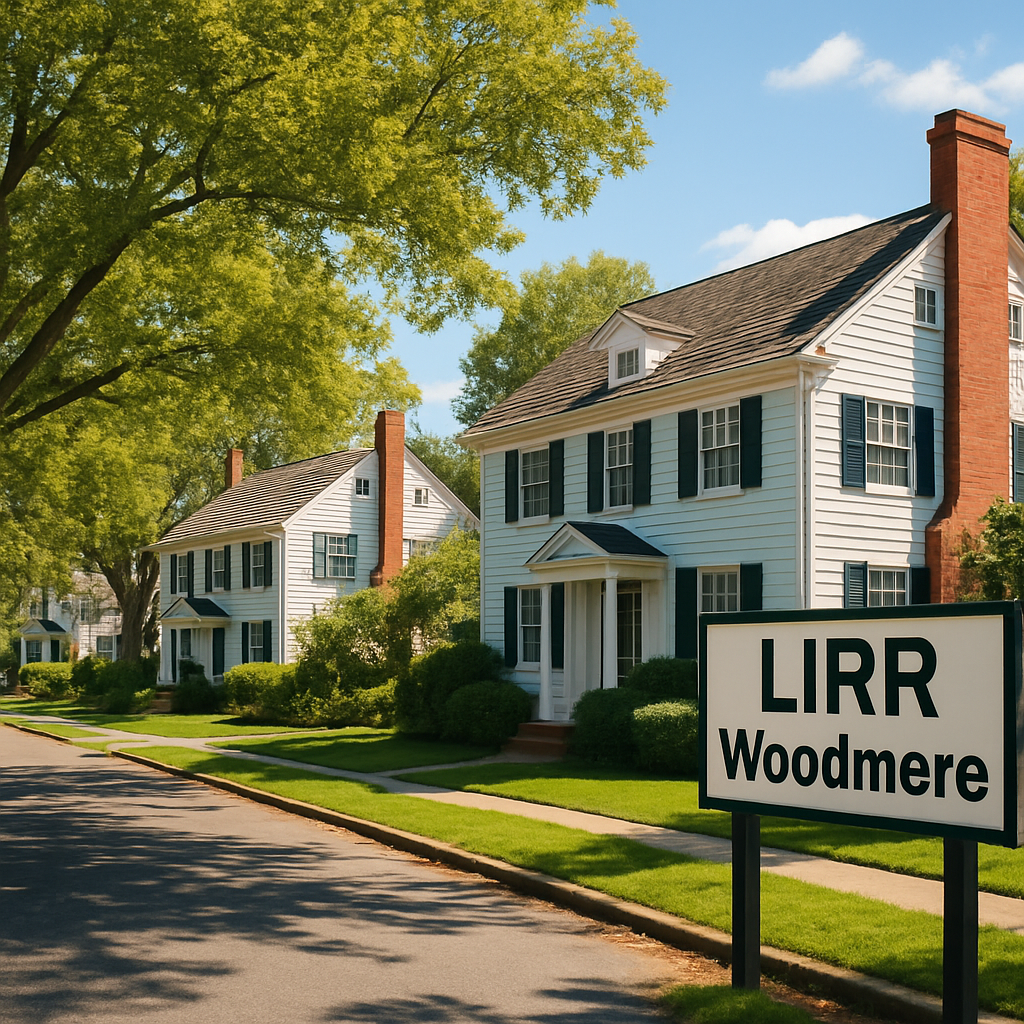
Watching a quick neighborhood tour can help you picture daily life—imagine walking your dog past the local bakery, grabbing coffee at the corner deli, then hopping on the train for a day in the city.
Here’s a quick checklist to keep you on track as you navigate the market:
- Get pre‑approved for a mortgage before you start serious house hunting.
- Identify your must‑have school zone and map listings accordingly.
- Track days‑on‑market trends; a drop below 60 days signals a seller’s market.
- Factor in the $474 per‑square‑foot price point when comparing homes of different sizes.
Remember, the numbers give you a baseline, but the right Woodmere home feels right when you picture yourself living there. If you can blend the data with that gut feeling, you’ll be in a strong position to make an offer that stands out.
Looking ahead, Woodmere is seeing modest new construction on the east side, with a few townhome projects slated for 2026. Those additions could add a touch of inventory, but experts still expect demand to outpace supply for the foreseeable future.
Ready to dive deeper? Keep an eye on new listings, stay flexible with viewing times, and don’t be shy about asking your agent for recent comparable sales. The more informed you are, the smoother the ride to your new front door.
How to Determine Your Budget for Woodmere NY Homes
So you’ve fallen in love with a Woodmere colonial or a sleek townhome, but the big question looms: how much can you actually afford without losing sleep? First, breathe. Figuring out a realistic budget is less about wishful thinking and more about a few concrete steps that keep your finances healthy.
Step 1: Get a crystal‑clear picture of your monthly cash flow. Pull out your recent pay stubs, list all recurring expenses—mortgage on a current place, car payments, kid‑care, groceries, even that weekly coffee habit. Subtract those from your net income. The number left is your “disposable income,” and a good rule of thumb is that your future mortgage payment (principal, interest, taxes, insurance) shouldn’t exceed 28% of that amount.
Step 2: Talk to a lender early. A pre‑approval not only tells you the loan size you qualify for, it also locks in an interest rate for a short period. Knowing whether you’re looking at a 3.5% or 5% rate can swing your buying power by tens of thousands. And guess what? Most lenders will run a quick debt‑to‑income (DTI) calculation that instantly shows you where you stand.
Step 3: Factor in Woodmere‑specific costs. The median price for a single‑family home in the village hovers around $1.25 million, but you’ll find gems both below and above that mark. Take the example of a 4‑bedroom home on Ibsen Street that’s listed for $1,179,000, which is roughly 26% under the neighborhood average and even includes a smart‑buyer rebate of $11,790 according to its listing. That price point can help you gauge what’s possible if you’re comfortable with a slightly older home that still offers a huge yard and low taxes.
Step 4: Don’t forget the hidden expenses. Closing costs typically run 2‑5% of the purchase price, so on a $1.2 million home you’re looking at $24‑$60 k. Then there’s the moving budget, any immediate renovations, and ongoing maintenance. A quick spreadsheet that adds a 1%‑2% annual reserve for upkeep can prevent surprise repairs from derailing your plan.
Step 5: Play with “what‑if” scenarios. Use a simple online mortgage calculator (or ask your agent) to plug in different down‑payment amounts—20%, 15%, or even 10%—and watch how the monthly payment shifts. Sometimes a slightly larger down‑payment can shave years off your loan term, saving you interest in the long run.
Step 6: Align your budget with your lifestyle goals. Are you planning to expand your family? Do you need a home office? Think about the space you truly need versus what looks nice on a listing. A smaller, well‑located condo might free up cash for a future upgrade, while a larger colonial could offer the room you’ll need for years to come.
Step 7: Keep an eye on the market pulse. Woodmere’s inventory is tight, and homes spend an average of just 57 days on the market. That means you’ll need to act quickly once you find a match, but also that you shouldn’t overextend yourself just to win a bidding war.
Finally, browse current Woodmere listings to see what’s out there and how prices compare. Home Sales & Rentals – Five Town Homes & Living offers an up‑to‑date snapshot of homes for sale, giving you a real‑world sense of pricing trends.
Bottom line: a solid budget blends your personal cash flow, lender guidelines, Woodmere‑specific costs, and a realistic view of the market. When those pieces click, you’ll walk into a showing with confidence, ready to make an offer that feels right both financially and emotionally.
Finding the Right Woodmere NY Homes for Sale: Search Strategies
Alright, you’ve done the budgeting homework and you’re ready to actually start hunting. The trick isn’t just throwing a million-dollar search into a portal and hoping something pops up—it’s about shaping that search so the right homes whisper your name.
Start with a “must‑have” checklist
Grab a notepad (or your phone) and write down the non‑negotiables. Think of things like “3+ bedrooms,” “walk‑to‑school for grades K‑5,” or “garage for two cars.” Then add a “nice‑to‑have” column: maybe a finished basement, a river view, or a fenced yard for the dog.
When you sit down with your agent, those bullet points become the GPS for every MLS query. It also saves you from scrolling past 200 listings only to realize none of them meet the basics.
Leverage multiple listing sources
Most buyers start on the big sites—Zillow, Realtor.com, Redfin—but they often miss pocket listings that only a local team knows about. Five Town Homes & Living has a pulse on “off‑market” gems that haven’t hit the broader feeds yet. Ask your realtor to set up an email alert that pulls from both the public MLS and their private network.
Here’s a quick test: pick a random address you’ve liked, then search it on three different portals. You’ll probably see price variations, extra photos, or even a “pending” status that one site missed. That’s why cross‑checking matters.
Map‑first, then filter
Open a map view of Woodmere and start pinning neighborhoods you’re drawn to—maybe the quiet streets near the LIRR, or the tree‑lined avenues close to the elementary school. Once you have a visual cluster, use the map’s radius tool to set a walking distance (say, 0.5 miles) from your chosen amenity.
Seeing the homes in spatial context helps you answer questions like, “Do I want a longer commute for a bigger yard?” or “Is the extra tax burden worth being steps from the beach?”
Set realistic price bands
Remember the median price is around $1.3 million, but you’ll find deals both below and above that number. Look at recent sales in the same zip code: a 4‑bedroom on Ibsen Street sold for $1.18 million last month, which was about 10 % under the neighborhood average. That tells you there’s room to negotiate if you act fast.
Tip: use a spreadsheet to track the asking price, the last sold price, and the price‑per‑square‑foot. When the asking price is within 5 % of the recent comps, you’ve got a solid starting point for an offer.
Schedule smart showings
Don’t just swing by at the first available slot. Ask for a mid‑day showing so you can see natural light, traffic flow, and neighborhood noise. Bring a friend who can point out things you might miss—like a leaky faucet or a cracked driveway.
While you’re inside, test the “feel” of the house: open every window, turn on the water, and walk up and down the stairs. Those sensory clues are often more telling than any online photo.
Use “scenario” hunting
Pick three different buyer personas—maybe a growing family, a downsizing couple, and an investor. Run the same search parameters for each persona. You’ll notice how the same list of homes can look good or bad depending on the lens you use. This exercise often uncovers hidden gems that fit one scenario perfectly.
For example, a townhome listed at $975 k seemed pricey until we imagined it as a “starter” for a young couple who could rent out the basement for extra income. Suddenly the numbers made sense.
Stay on top of market timing
Woodmere homes spend an average of 57 days on the market. If a property has been listed for more than 70 days, that could be a red flag—or an opportunity for a motivated seller. Keep a spreadsheet of days‑on‑market and set an alert when a home crosses the 60‑day mark.
When you find a home that ticks most of your boxes and is still fresh on the market, be ready to move quickly with a pre‑approved letter and a clean offer.
Final quick‑check checklist
- Must‑have list finalized?
- Multiple listing sources activated?
- Map radius set around key amenities?
- Price‑per‑sq‑ft spreadsheet ready?
- Showing schedule includes mid‑day visit?
- Scenario analysis completed?
- Days‑on‑market tracker updated?
Run through that list before you commit to any offer, and you’ll feel far more confident that the Woodmere ny homes for sale you’re chasing truly match your lifestyle and budget.
Comparing Home Types and Price Ranges in Woodmere
Okay, you’ve got a list of must-haves, but the next big question is: what kind of home actually fits your wallet and lifestyle? In Woodmere you’ll mostly run into three flavors—single-family colonials, attached townhomes, and the occasional condo or co-op. Each comes with its own price band, trade-offs, and vibe.
Single-Family Colonials: The Classic Choice
Think of a colonial as the “big-screen TV” of Woodmere. You get a full-lot, a driveway, often a backyard that kids can actually run in. Because you own the land, you also shoulder the property taxes and maintenance, which pushes the price up. In 2024 the median asking price for a 4-bedroom colonial hovers around $1.3 million, with the lower end of the range sitting near $1.0 million and the high end nudging $1.7 million for larger lots or historic charm.
Pros? Space, privacy, and the freedom to remodel the exterior. Cons? Higher taxes, more upkeep, and a longer list of “must-fix” items during a home inspection.
Townhomes: A Balanced Middle Ground
Townhomes blend the low-maintenance vibe of a condo with the feel of a single-family home. You usually get two or three levels, a small private yard or deck, and shared walls that keep heating bills modest. Prices in Woodmere typically run from $950 k for a modest three-bedroom unit up to $1.25 million for a newer, upgraded layout.
What’s interesting is that across high-cost markets, townhomes and other multifamily options often come in at a discount compared to stand-alone houses. A recent analysis showed townhomes can be about 33 % cheaper than comparable single-family homes in dense counties according to industry data. That gap can translate into a few hundred thousand dollars of breathing room for a down-payment or a renovation budget.
Pros? Lower taxes, less yard work, and usually a homeowners association that handles exterior upkeep. Cons? HOA fees, less privacy, and you might have to ask permission for major changes.
Condos & Co-ops: The Compact Contender
If you’re okay with sharing walls on all sides and want the “turn-key” experience, a condo or co-op might be your ticket. In Woodmere the condo market is smaller, but you can still find units from $850 k up to $1.1 million, often with amenities like a fitness center or rooftop deck.
Because you’re buying into a building rather than land, the price per square foot can feel attractive, but you’ll pay monthly HOA or maintenance fees that cover everything from insurance to building repairs. That’s why it’s crucial to crunch the numbers: a $950 k condo with $600 monthly fees might end up costing more over five years than a $1.0 million colonial with lower ongoing expenses.
Pros? Minimal maintenance, built-in amenities, and often a stronger sense of community. Cons? Strict approval processes, monthly fees, and limited ability to customize the unit.
How to Match Home Type to Your Budget
Start by lining up your price ceiling with the ranges above. If you’re comfortable spending up to $1.2 million, a colonial gives you space but also taxes. If you’d rather keep monthly costs low, a townhome or condo under $1 million might let you preserve cash for a down-payment or a renovation project.
Next, think about the “total cost of ownership.” Add property taxes, HOA fees, insurance, and an estimated 1 %‑2 % annual reserve for maintenance. Write those numbers into a simple spreadsheet; the side-by-side view often reveals surprising winners.
| Home Type | Typical Woodmere Price Range | Key Pros / Cons |
|---|---|---|
| Single-Family Colonial | $1.0 M – $1.7 M | Pros: Land ownership, privacy, remodel freedom. Cons: Higher taxes, more upkeep. |
| Townhome | $950 k – $1.25 M | Pros: Lower taxes, HOA handles exterior. Cons: HOA fees, shared walls. |
| Condo / Co-op | $850 k – $1.1 M | Pros: Minimal maintenance, amenities. Cons: Monthly fees, limited customization. |
Bottom line: there’s no one-size-fits-all answer. If you crave space and can absorb higher taxes, the colonial wins. If you prefer a leaner budget and less yard work, the townhome or condo makes sense. Whichever path you choose, keep your “total cost” view front-and-center and you’ll walk into the next showing feeling confident, not confused.
Navigating the Buying Process in Woodmere NY
Alright, you’ve narrowed down the price ranges and home types, and now it’s time to move from dreaming to actually owning one of those woodmere ny homes for sale.
First thing? Get a solid pre‑approval in your pocket. It’s not just a number; it’s the signal you send to sellers that you mean business. Pull your recent pay stubs, list your debts, and let a lender run the math. A pre‑approval also tells you what down‑payment you can comfortably afford, so you won’t fall in love with a house that stretches your budget thin.
Step 1: Assemble Your Dream Team
Buying a home isn’t a solo sport. You’ll want a real‑estate agent who knows Woodmere inside out, a mortgage broker who can shop rates, and—yes, a local real‑estate attorney who can spot title quirks before they become costly surprises. The Frank Law Firm, for example, stresses that experienced legal counsel can keep your transaction moving smoothly and protect you from hidden pitfalls according to a local real‑estate lawyer.
Having these pros on board early means you won’t scramble at the last minute, and you’ll get clearer guidance on everything from inspection contingencies to escrow timelines.
Step 2: Pin Down Your Must‑Haves
Grab a notebook and split your list into “must‑have” and “nice‑to‑have.” Must‑haves might be three bedrooms, a walk‑to‑school zone, or a garage for two cars. Nice‑to‑haves could be a finished basement, a backyard fence, or a view of the nearby park.
When you feed this list into your agent’s MLS search, the results narrow dramatically. You’ll spend less time scrolling endless listings and more time actually touring homes that feel right.
Step 3: Tour Smart, Inspect Thoroughly
Schedule showings mid‑day whenever possible—natural light reveals the true color of walls and the flow of rooms. Bring a friend who can point out things you might miss, like a leaky faucet under the sink or a cracked driveway.
After you’ve walked through, request a professional home inspection. Look for red flags: water damage, outdated wiring, or foundation cracks. If the inspector flags something, you have two options—ask the seller for repairs, or negotiate a credit at closing to cover the fix.
Here’s a quick checklist to run during a showing:
- Do windows open easily and lock securely?
- Is there a noticeable odor in the basement?
- How loud is traffic outside during rush hour?
- What’s the condition of the roof and gutters?
Step 4: Make a Competitive Offer
When you find a home that ticks most of your boxes, it’s time to draft an offer. Your agent will pull recent comparable sales—look for homes that sold within 30 days and within a half‑mile radius. If the asking price is within 5 % of those comps, you’re in a strong position.
Include earnest money (usually 1‑2 % of the price) to show you’re serious, and consider an escalation clause if you suspect a bidding war. Keep your offer clean—no unnecessary contingencies that could scare a seller.
Step 5: Close with Confidence
The final stretch involves signing a mountain of paperwork, reviewing the closing disclosure, and confirming that the title is clear. Your attorney will walk you through each document, making sure nothing unexpected hides in the fine print.
Don’t forget to budget for closing costs—typically 2‑5 % of the purchase price—and set aside a small reserve for immediate repairs or upgrades.
Once the keys are in your hand, take a moment to picture your first coffee on the new porch. You’ve turned a complex process into a series of manageable steps, and you are now the proud owner of a woodmere ny homes for sale that fits your life.
Remember, the journey doesn’t end at closing. Stay in touch with your agent for future resale value insights, and keep that attorney’s contact info handy for any post‑closing questions. Happy house hunting!
Conclusion
So you’ve walked through the numbers, scoped out the neighborhoods, and imagined yourself sipping coffee on a Woodmere porch. That feeling of “this could be my next home” is the compass we’ve been following.
Remember the three big takeaways: first, get crystal‑clear on your budget and factor in taxes, HOA fees, and a little reserve for surprise repairs; second, use a targeted search checklist—must‑haves, map radius, price‑per‑sq‑ft spreadsheet—to keep the hunt focused; third, lean on a trusted local team like Five Town Homes & Living who know the ins and outs of Woodmere ny homes for sale.
What’s next? Grab that pre‑approval letter, fire up your favorite listings site, and start flagging properties that tick your boxes. When a home feels right, move quickly with a clean offer and a solid earnest‑money deposit.
And don’t forget—once the keys are in your hand, the real adventure begins: making the space yours, getting to know the neighbors, and watching your investment grow.
If you’re ready to turn the search into a signed contract, reach out to the mother‑daughter team at Five Town Homes & Living. They’ll guide you through every step, so you can focus on imagining life in your new Woodmere home.
FAQ
What’s the typical price range for woodmere ny homes for sale?
Most buyers see listings between $850 k and $1.7 million. Colonials sit at the higher end, often $1.0 M–$1.7 M, while townhomes and condos can start around $850 k and stretch up to $1.25 M. Your budget will dictate which style feels comfortable, but remember to factor in property taxes, HOA fees, and a small reserve for unexpected repairs.
How many days does a woodmere ny home stay on the market?
On average, homes spend about 57 days listed before an offer comes in. If a property lingers past 70 days, the seller might be more motivated to negotiate. Conversely, fresh listings—especially those under the median price—can attract multiple offers within the first two weeks, so be ready to act fast.
Do I need a real‑estate attorney when buying in Woodmere?
Yes, it’s a smart move. A local attorney can spot title quirks, review contracts, and make sure escrow timelines line up with your lender’s requirements. They’ll also explain any local ordinances that could affect renovations or future resale value, giving you peace of mind before you sign the final paperwork.
What should I look for during a home inspection?
Focus on the basics: roof condition, foundation cracks, water‑damage signs in the basement, and the state of the electrical panel. Test windows for smooth operation and check for drafts. If the inspector flags something pricey, you can either request repairs, negotiate a credit, or walk away if the issue feels like a red flag.
How important is the school zone when choosing woodmere ny homes for sale?
School quality is a major driver of demand here. Homes in the top‑rated elementary and middle‑school zones often sell faster and hold value better. Even if you don’t have kids, buying in a strong school district can boost resale potential, so it’s worth mapping your must‑have schools early in the search.
What’s the difference between an “off‑market” listing and a regular MLS listing?
Off‑market homes aren’t publicly advertised on big portals; they’re shared through local agents’ networks or private databases. They can offer less competition and sometimes a better price, but you’ll need a well‑connected agent—like the team at Five Town Homes & Living—to get access before they hit the broader market.
Should I consider a larger down‑payment to strengthen my offer?
Putting down 20 % or more can make your offer stand out, especially in a seller’s market. It reduces the lender’s risk, often lowers your interest rate, and eliminates private‑mortgage‑insurance (PMI). If you have the cash, a bigger down‑payment signals seriousness and can give you negotiating leverage when multiple buyers are eyeing the same property.

Joey Frankel, a native of the Five Towns, Long Island with years of real estate experience is a social media expert, who will get your home the maximum exposure it needs. She is also a dual agent for both Manhattan and Long Island. Joey will bring you young professionals who are seeking the suburban lifestyle.
Sandy Carl is a native of the Five Towns Long Island and familiar with the surrounding communities and school districts on Long Island. She brings over 15 years of event sales experience and real estate with a keen eye for design and home renovations.
Frankel/Carl Team at Douglas Elliman Real Estate
Office: 561-901-9232 |516-342-0056


0 Comments